
By Reyna Williams
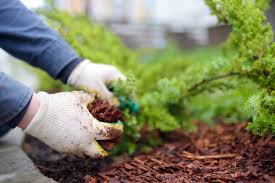
Mulching is one of the simplest and most effective ways to support the health and longevity of trees. By placing a layer of organic material such as wood chips, bark, or leaves around the base of a tree, mulching creates a healthier growing environment and protects the tree from stress. However, mulching is only effective when it is done correctly and maintained over time.
Protecting Soil and Roots
Tree roots are often shallow and sensitive to temperature changes. Mulch acts as an insulating layer, keeping soil cooler in the summer and warmer in the winter. This stable environment reduces stress on the roots and helps them function properly. Mulch also prevents soil from compacting, allowing roots to access oxygen more easily.
Conserving Moisture
One of the biggest benefits of mulch is its ability to retain soil moisture. Mulch slows evaporation, meaning trees need less frequent watering and are better protected during dry periods. Consistent moisture is especially important for young or newly planted trees, which are still developing their root systems.

Preventing Weed Competition
Weeds and grass compete with trees for water and nutrients. A proper layer of mulch suppresses weed growth by blocking sunlight, giving the tree better access to essential resources. This is particularly important near the trunk, where grass can significantly reduce tree growth.
Improving Soil Health
Organic mulch slowly breaks down over time, adding nutrients back into the soil. This process improves soil structure, encourages beneficial organisms like earthworms, and increases overall soil fertility. Healthy soil supports stronger roots and better tree growth.
Protecting the Trunk
Keeping a mulch ring in place around the tree also helps protect the tree trunk from physical damage. Lawn mowers and string trimmers are common causes of tree injuries, which can lead to disease and decay. A mulch ring creates a buffer zone, reducing the need for mowing close to the tree.
Proper Mulching Matters
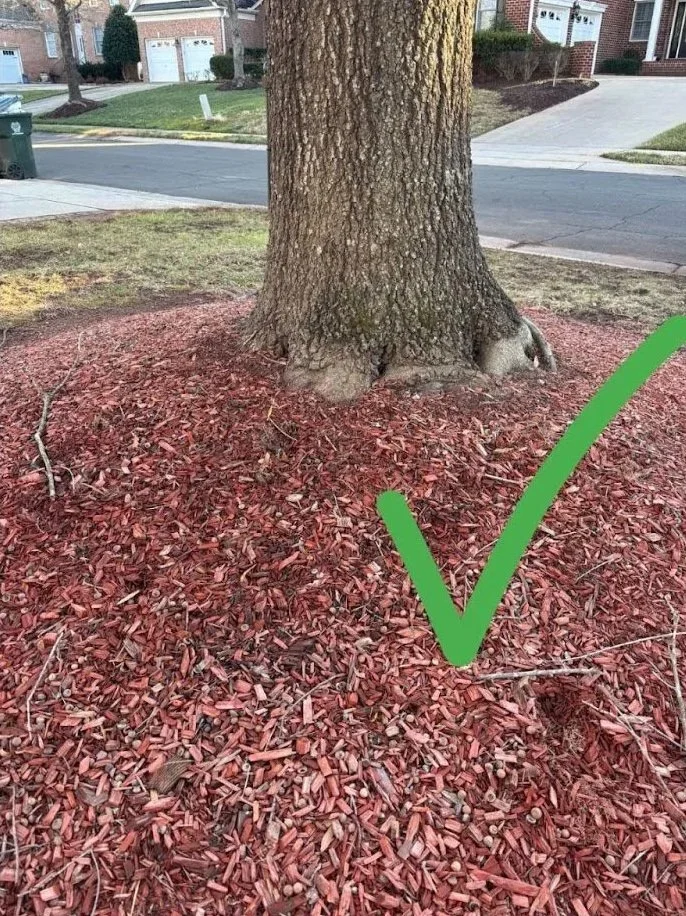
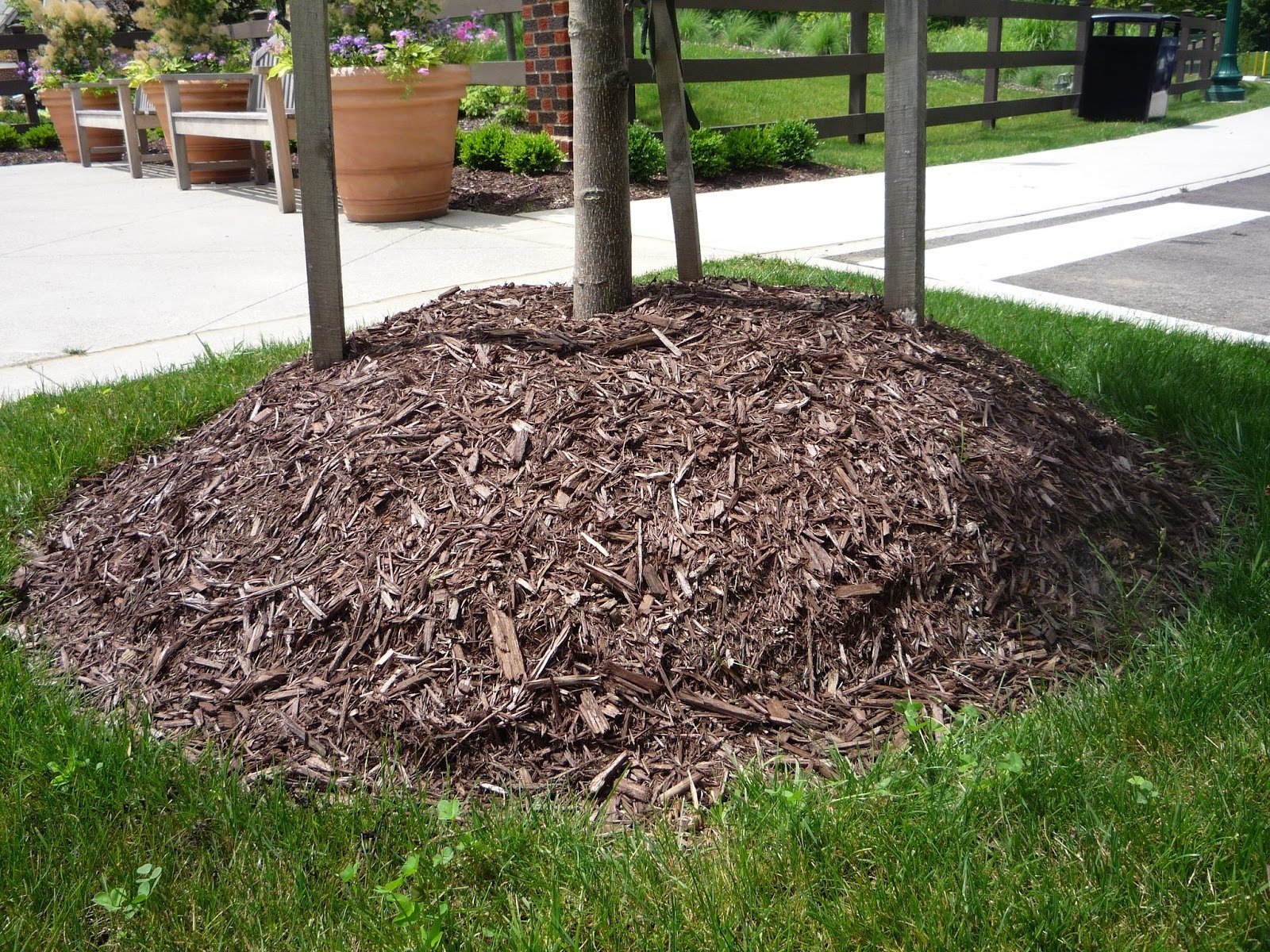
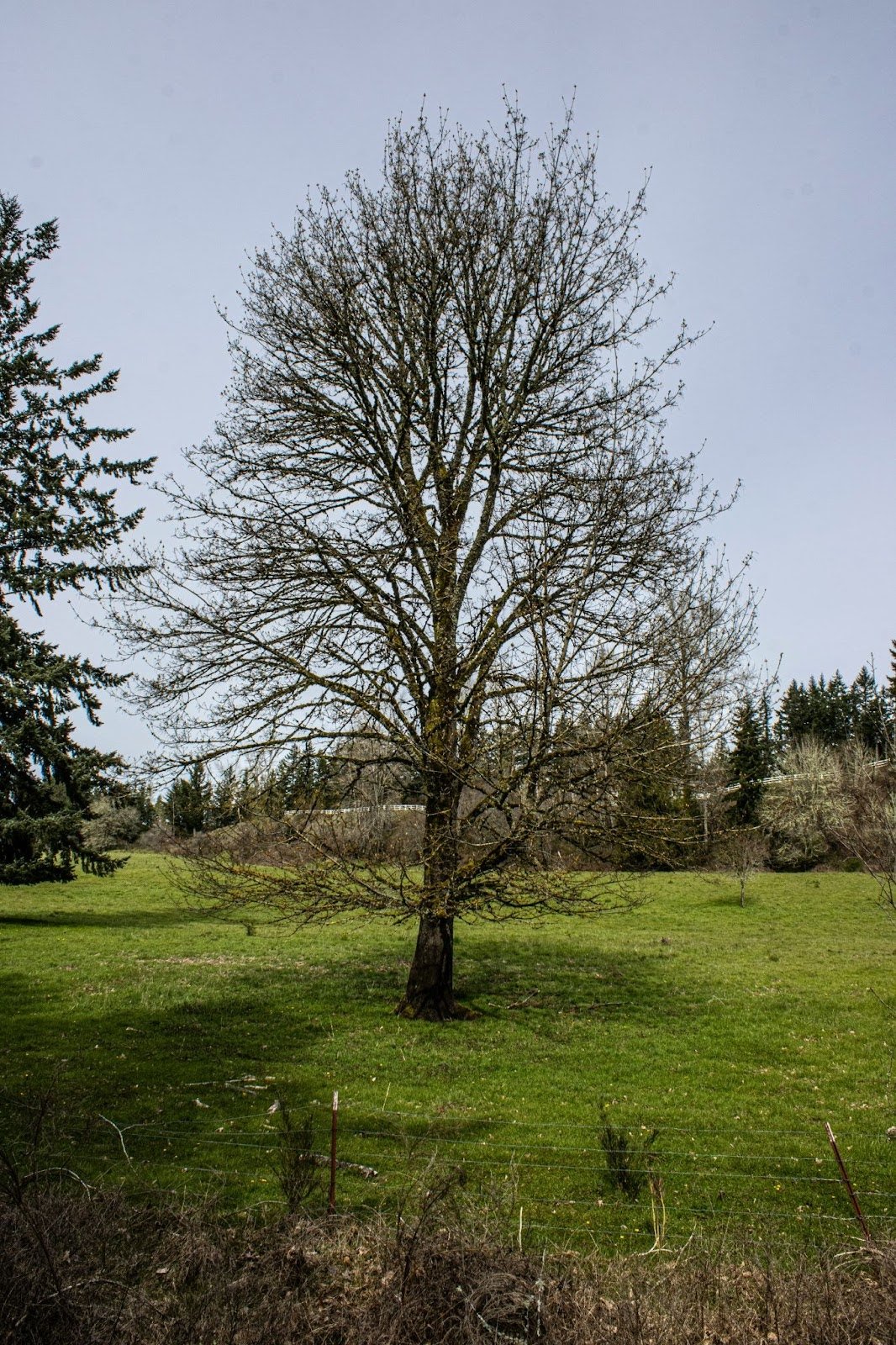
While mulch is beneficial, it must be applied correctly. Mulch should be spread in a wide ring around the tree, ideally extending to the drip line (just outside the canopy of the tree) if possible. The layer should be about 2–4 inches thick, and it should never be piled against the trunk. Keeping mulch a few inches away from the trunk prevents rot and pest problems.
The Importance of Maintenance
Mulch naturally breaks down and can be displaced by wind, rain, or foot traffic. Regularly checking and replenishing mulch ensures it continues to provide benefits. Keeping mulch in place year-round helps trees remain healthy, resilient, and better able to withstand environmental stress.
Conclusions
Mulching is a simple practice with long-lasting benefits. By protecting roots, conserving moisture, improving soil health, and preventing damage, mulch plays a vital role in tree care. When properly applied and maintained, mulch helps trees grow stronger, live longer, and contribute more effectively to a healthy environment.